
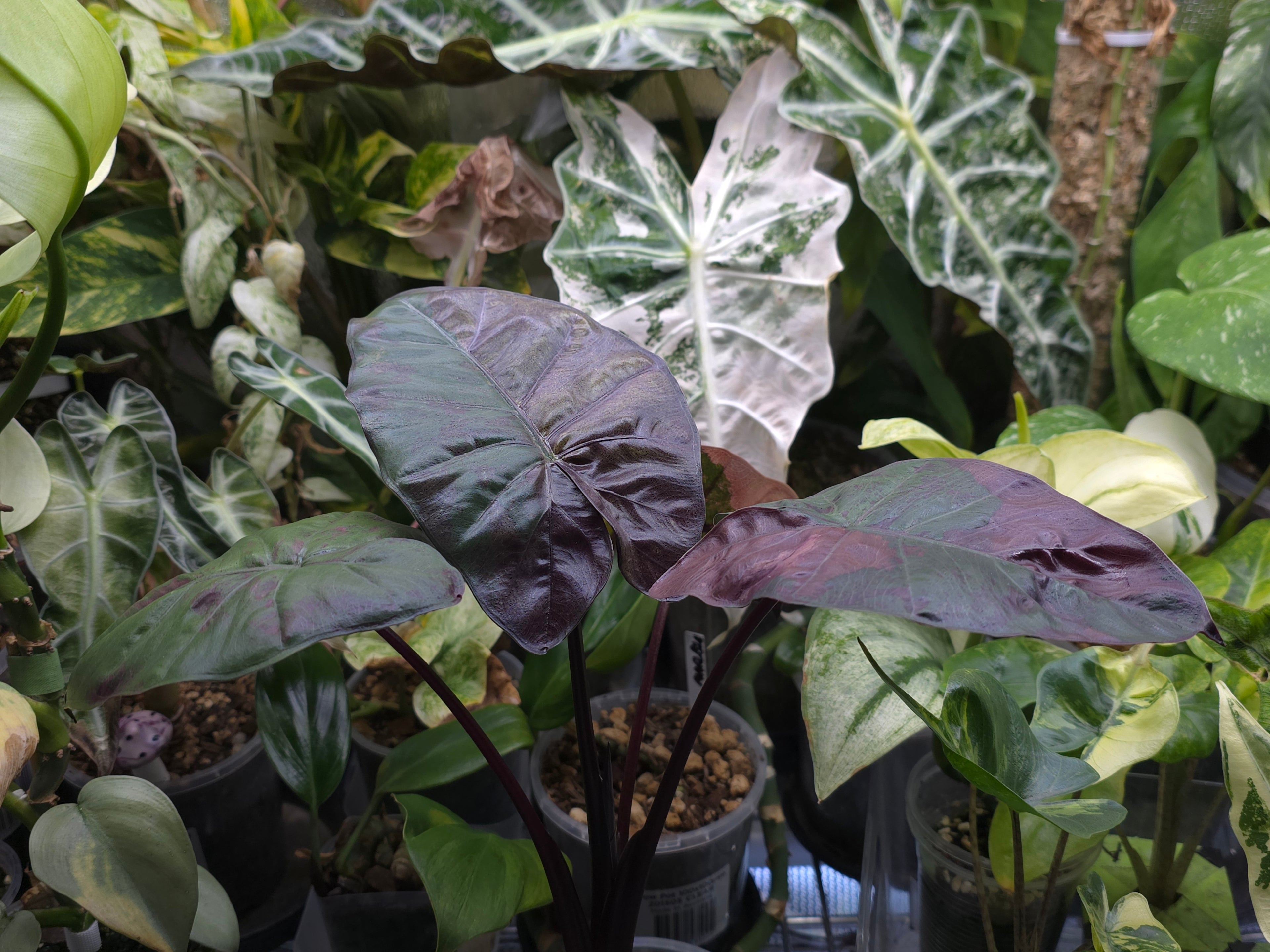
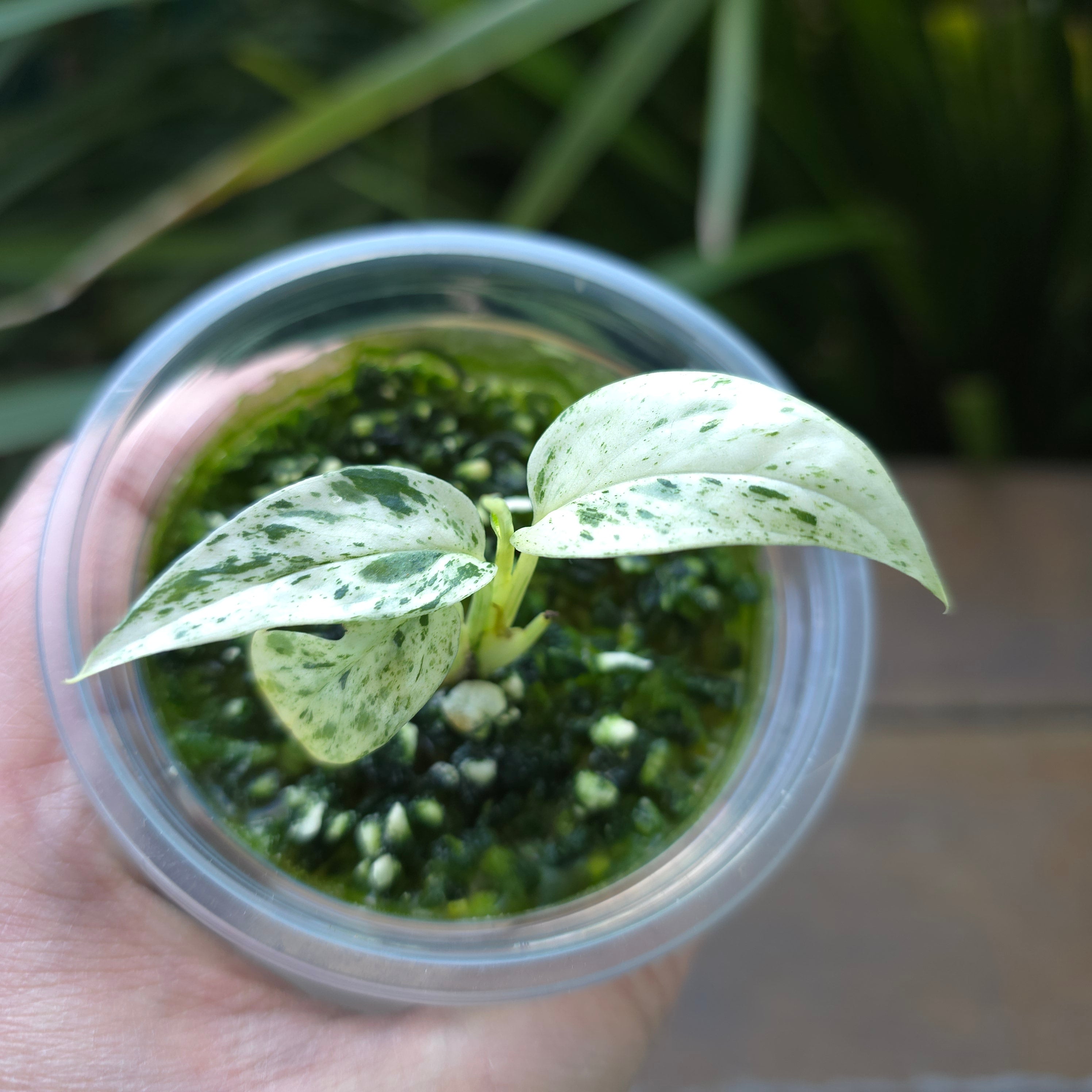
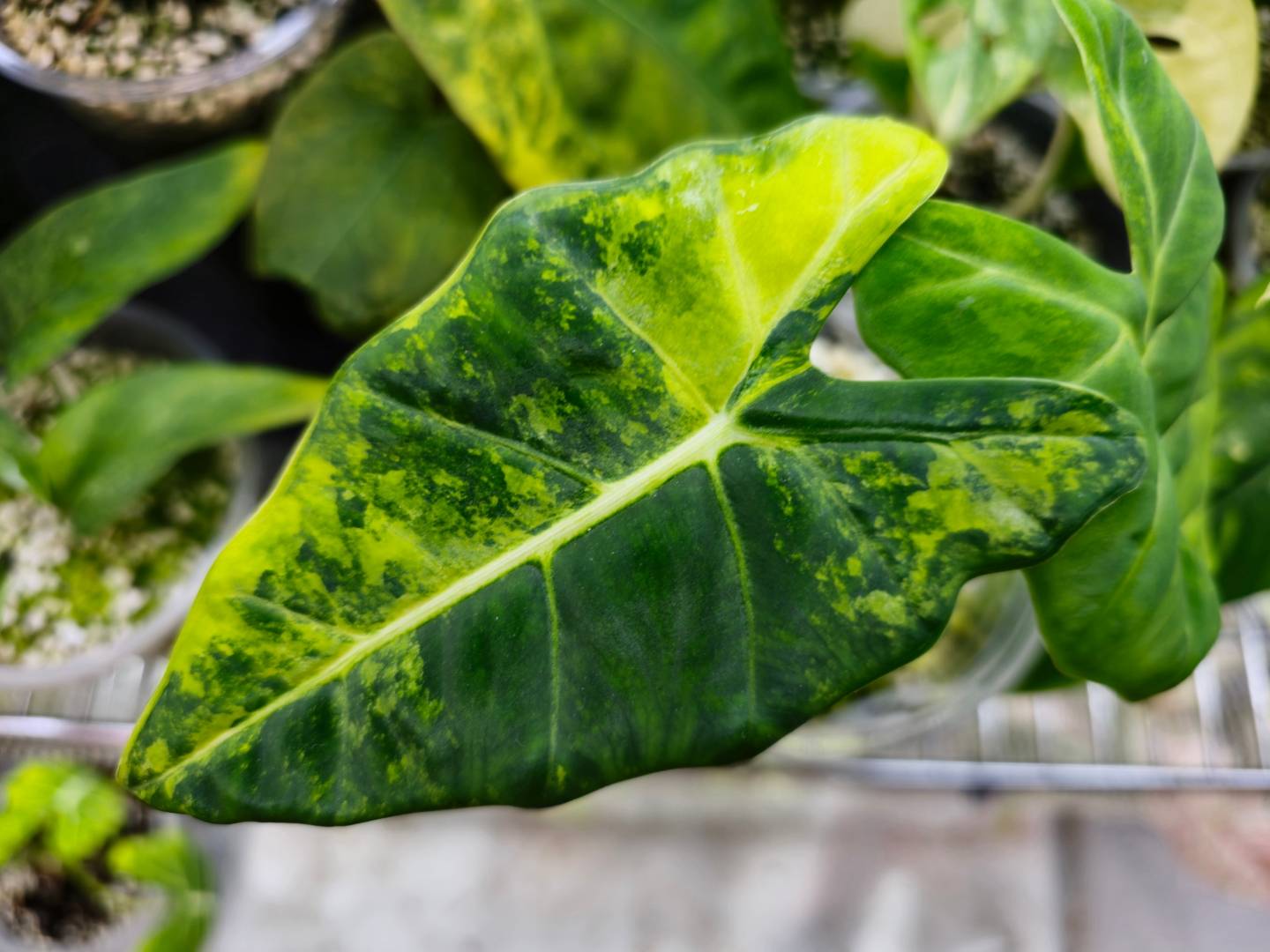
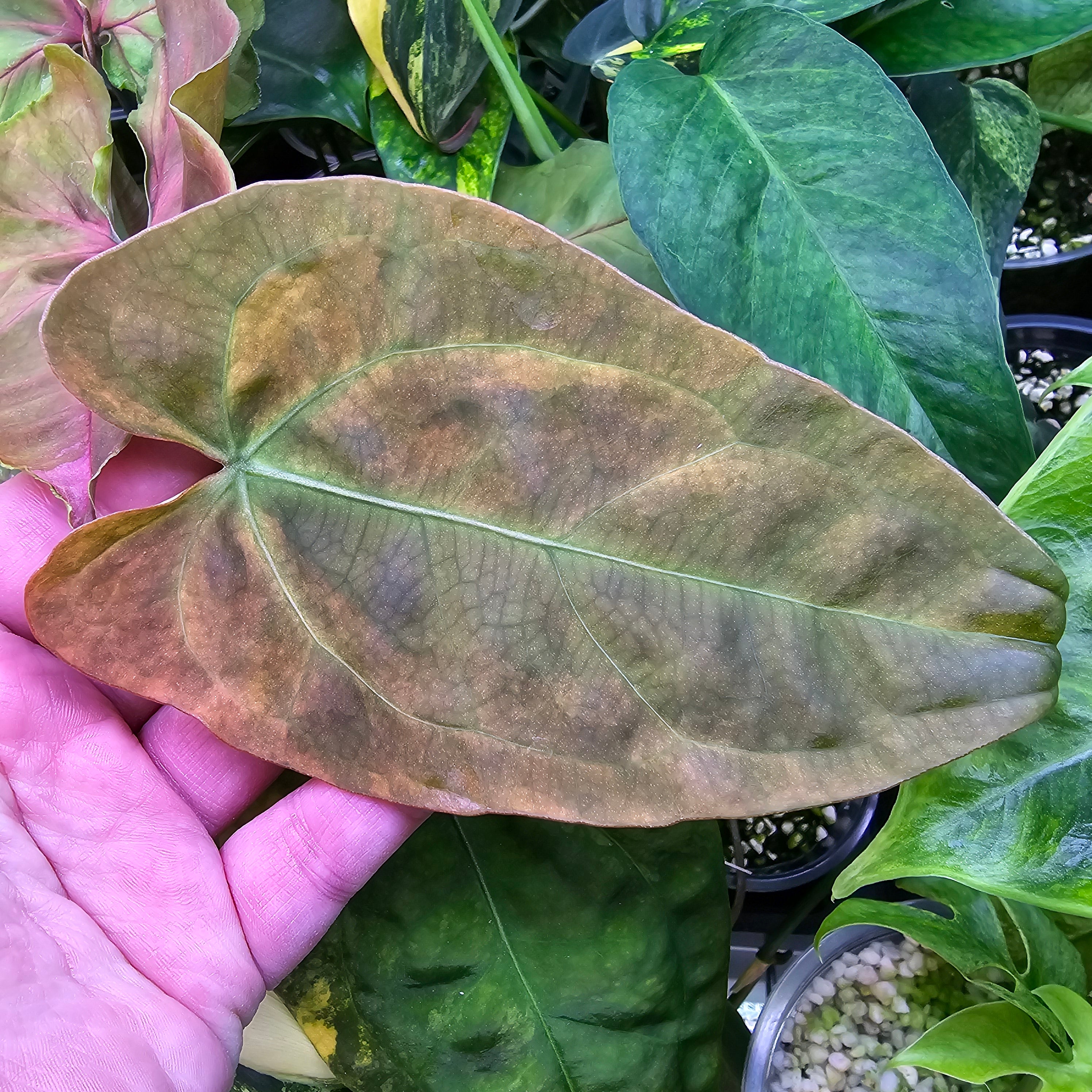
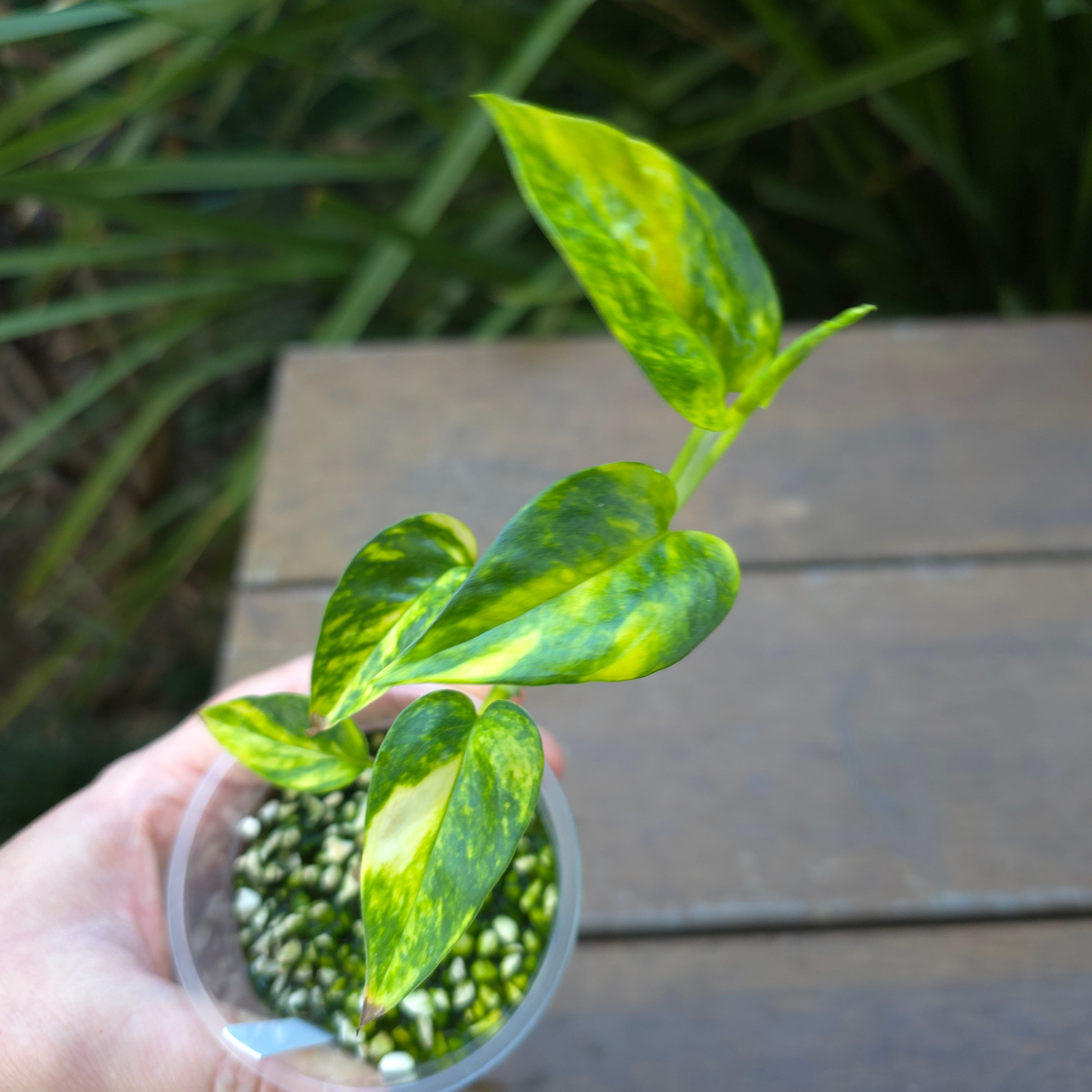
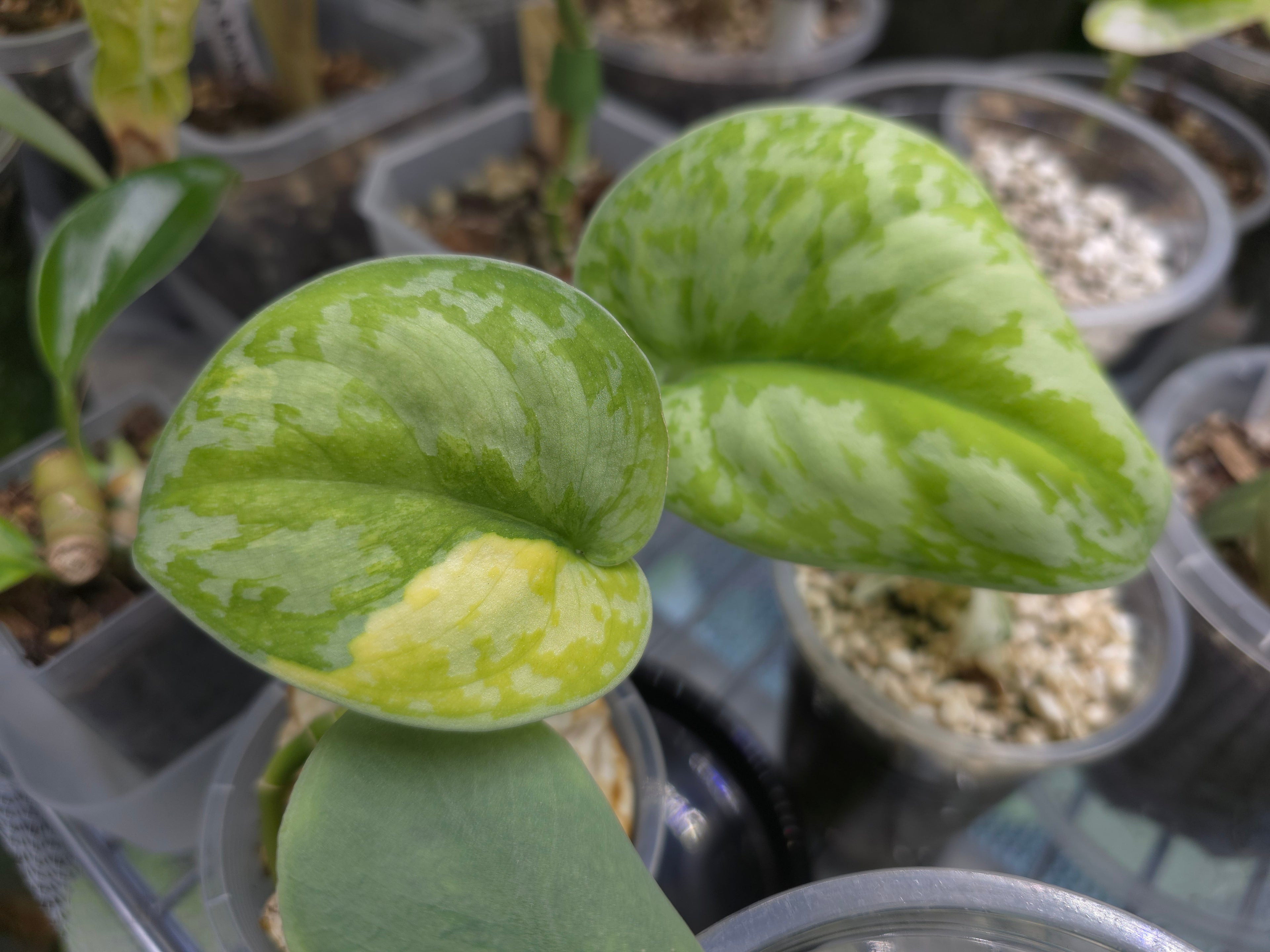




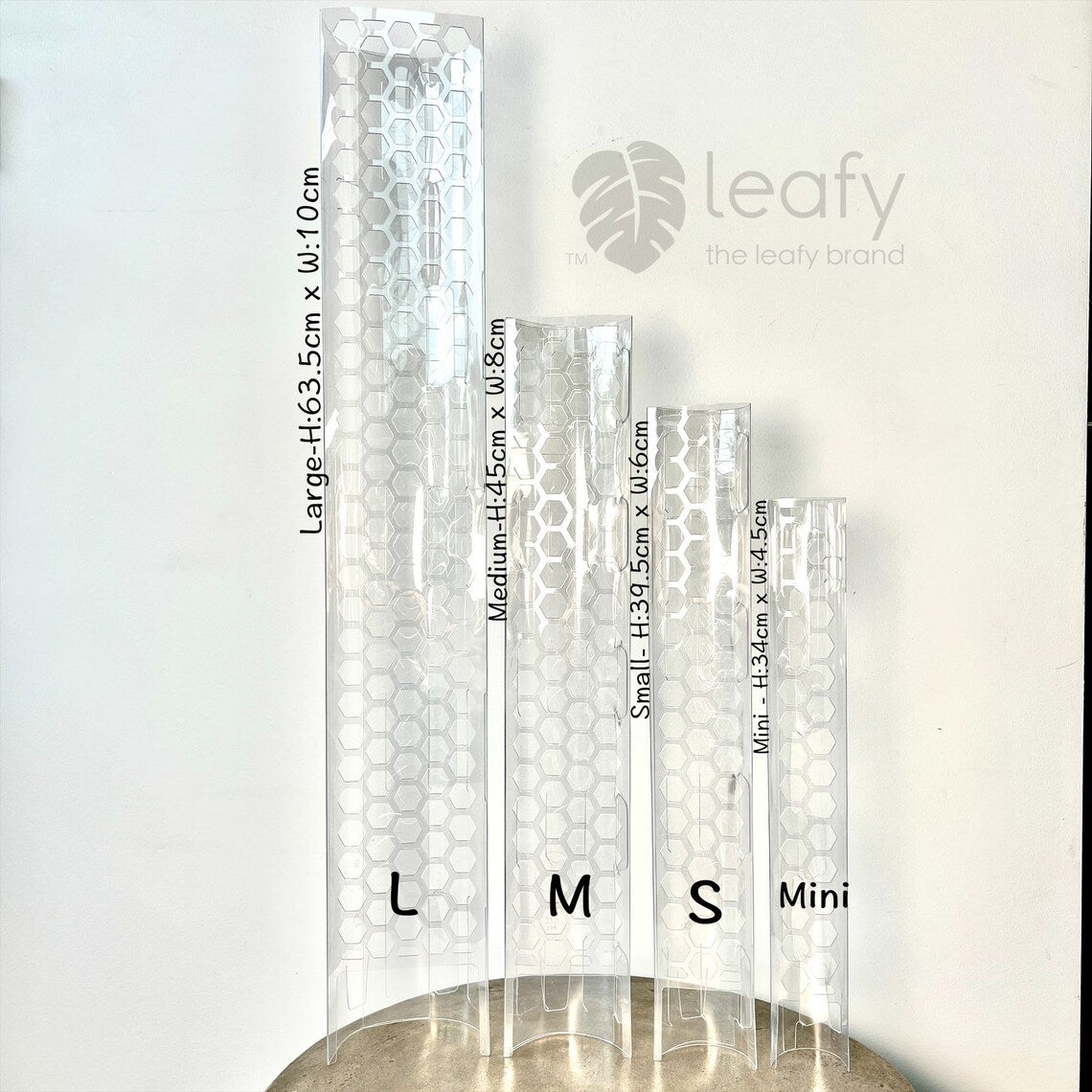

































🌿Super Rare🌿 Alocasia Zebrina Variegated established plant non tc
$85.00 AUD


My Plantasy
🌿Super Rare🌿 Alocasia Zebrina Variegated established plant non tc
$85.00 AUD
Out of stock
Super Rare Alocasia Zebrina Variegated established plant non tc
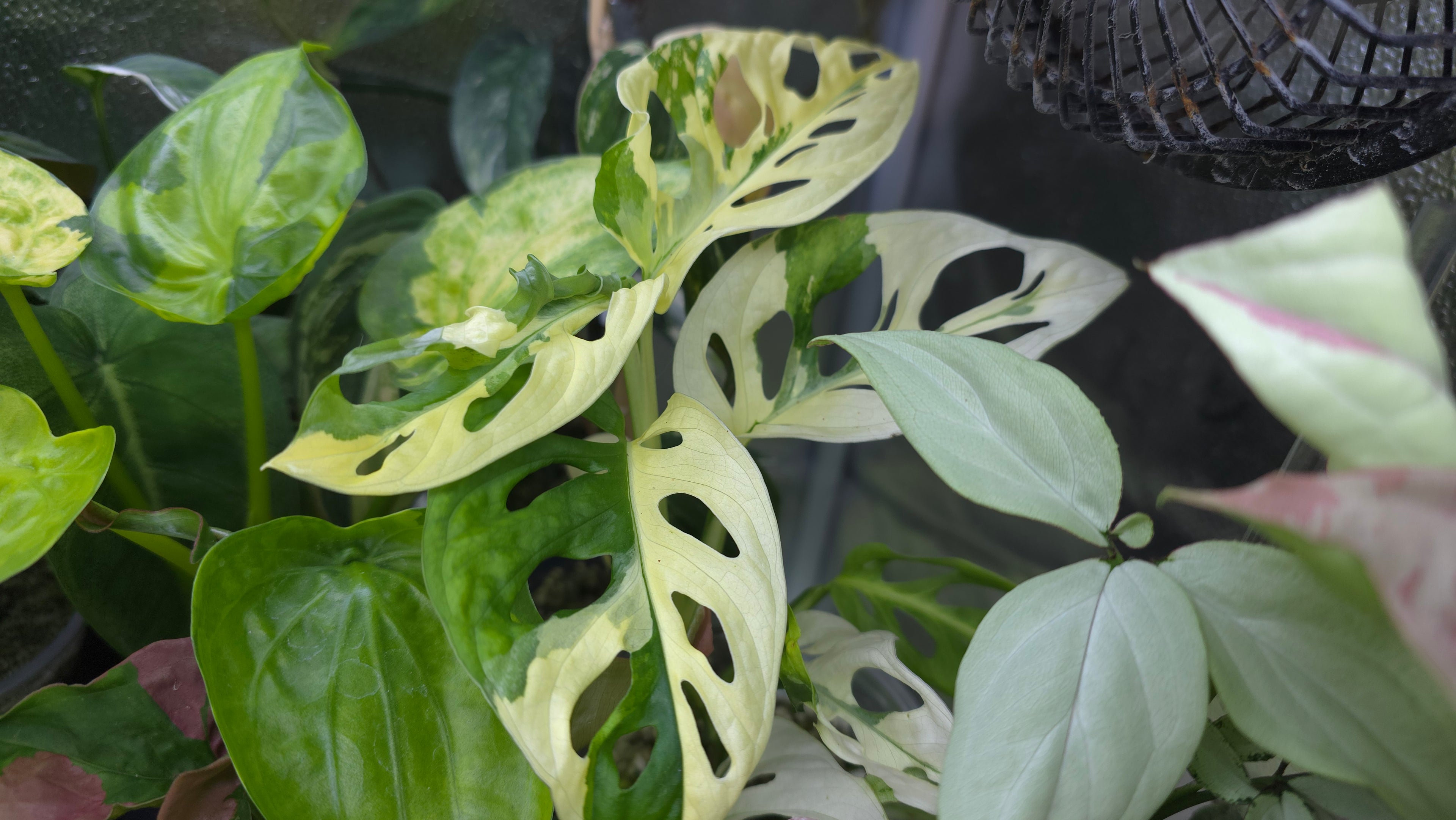
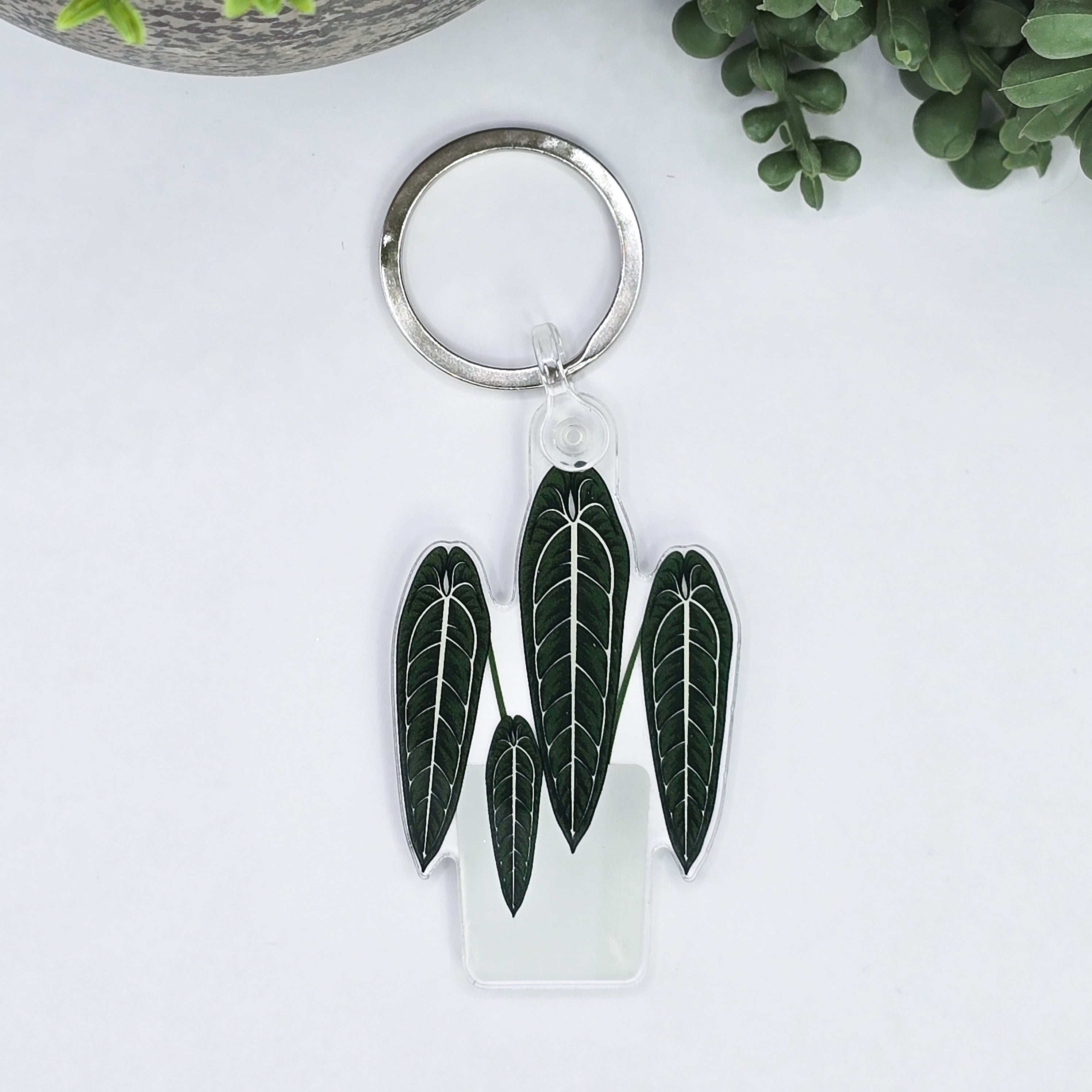
3 leaf plant, non tc nice variegation.
She's tall!! Ready for a new pot & prob be producing corms soon.
Non TC, grown from a corm.
Unfortunately I can not ship to quarantine states -
If you purchase plants & you are in a quarantine state, your order will be cancelled.
EXPRESS POST ONLY
- From $16
Weight is calculated at checkout & can be estimated in cart before checkout.
- If your parcel goes under weight, I'll refund the excess postage paid.!
Plants are shipped via express post & only on a Monday or Tuesday to ensure they arrive before the weekend.
NO QUARENTINE STATES
W.A, NT & TAS are quarantine states & I can NOT post there sorry.
See all shipping info here.
Plants will be shipped either:
- In their cups - If plants are in perlite, water is drained for shipping, so please refill upon arrival.
- In their pots
- Bare root wrapped in sphagmoss.
All plants are shipped securely stuck down (with ALOT of sticky tape) & boxes filled with appropriate padding.
❗️FILL UP PERLITE CUPS UPON UNPACKING❗️
Plants can stay in the cups quite happily until they outgrow them.
- Perlite - Fill perlite cups 3/4 of the cup with water & Fertiliser & never let the water run out.
- Spag - water when starting to dry (the spag goes lighter coloured) tip any excess water out of the cup.
Please make sure you feed them, as semi hydro mediums don't contain any nutrients.
I feed all my plants in all medium types, GT Foliage Focus - purchase here Shop Growth Technology
All my plants in all mediums are fed with GT Foliage Focus (Growth Technology)

How Our Plants are Grown
Plant Care Guides By Plant Genus
Alocasias are bold, tropical statement plants—and with the right care, they thrive indoors. Here’s a simple, plant-lover-friendly care guide to keep your Alocasia happy and growing strong 🌿
🌤 Light
- Prefers bright, indirect light
- Avoid harsh direct sun, which can scorch leaves
- Too little light may slow growth or cause leaf drop
💧 Water
- Keep soil consistently moist, but never soggy
- Water when the top few centimetres of soil are dry
- Reduce watering in cooler months when growth slows
- Good drainage is essential—Alocasias hate wet feet
🌫 Humidity
- Loves high humidity (60%+ is ideal)
- Perfect for bathrooms, greenhouses, or near a humidifier
Dry air can cause crispy edges or drooping leaves
- 🌡 Temperature
Thrives in warm conditions
- Ideal range: 18–30°C
- Protect from cold drafts, heaters, and sudden temperature changes
🌱 Soil
- Use a well-draining, airy mix
- A blend with perlite, bark, or coco coir works well
- Avoid heavy or compacted soils
🌿 Feeding
- Feed during active growth (spring–summer) with a balanced liquid fertiliser
- Reduce or stop feeding in winter
🍂 Leaf Changes
- It’s normal for Alocasias to drop older leaves, especially when adjusting to a new environment
- Yellowing can indicate overwatering or low light
🐾 Pet Safety
- Toxic to pets and humans if ingested
- Keep out of reach of curious pets and children
With warmth, humidity, and the right balance of light and water, Alocasias reward you with dramatic foliage and strong, confident growth—perfect for collectors and statement-plant lovers alike 🌱
How to Care for Velvet-Leaf (Collector) Anthurium 🌿
(Foliage Anthuriums grown for leaves & inflo)
Collector Anthuriums—those stunning velvet, textured, heavily veined leaf types—are grown for their foliage and unique inflorescences rather than showy flowers. They’re true aroids and thrive when their rainforest conditions are mimicked indoors.
🌤 Light
- Bright, indirect light is essential
- No direct sun — it will scorch velvet leaves
Too little light = slower growth and smaller leaves - Gentle filtered light encourages strong foliage and inflo development.
💧 Water
- Keep soil evenly moist, never wet or dry for long periods
- Water when the top layer just begins to dry
- Overwatering = root rot
- Underwatering = limp leaves or stalled growth
- Consistency matters more than volume
🌫 Humidity
- High humidity is key (60–80% ideal)
- Thrive in cabinets, greenhouses, or near humidifiers
- Low humidity can cause leaf damage, crisping, or misshapen growth
🌡 Temperature
- Prefers warm, stable conditions.
- Ideal range: 18–28°C.
- Avoid cold nights, drafts, or sudden temperature changes.
- Growth may slow significantly below 16–17°C.
🌱 Soil / Substrate
- Needs a chunky, airy, fast-draining aroid mix
- Bark, perlite, coco chips, and a little sphagnum work well
- Roots require oxygen as much as moisture
🌿 Feeding
- Light but regular feeding during active growth
- Use a balanced fertiliser at low strength
- Overfeeding can damage sensitive roots
- Reduce feeding in winter or slower growth periods
🍃 Leaf & Growth Behaviour
- New leaves often emerge slowly—this is normal
- Leaves may start smaller and size up as roots establish
- Inflorescences (spathe & spadix) are normal even on non-flowering types
- Leaf damage won’t heal—focus on healthy new growth
🔄 Acclimation
- Collector Anthuriums can be sensitive to environment changes
- Some leaf loss during adjustment is normal
- Stable conditions = long-term success
🐾 Pet Safety
- Toxic if ingested
- Keep out of reach of pets and children
Velvet Anthuriums reward patience with luxurious foliage, dramatic veining, and collector-level presence. Treat them gently, keep conditions consistent, and they’ll become a true centrepiece in any serious plant collection 🌱
(Including variegated & collector forms)
Epipremnum pinnatum is a fast-growing, climbing aroid loved for its elongated leaves, fenestrations, and stunning variegation in collector varieties. It’s hardy, rewarding, and an excellent choice for both newer plant lovers and seasoned collectors—especially when given something to climb.
🌤 Light
- Thrives in bright, indirect light
- Can tolerate medium light, but growth will slow
- Variegated forms need higher light to maintain colour
- Avoid harsh direct sun, which can scorch leaves
💧 Water
- Water when the top few centimetres of soil are dry
- Likes evenly moist soil, but never waterlogged
- Overwatering can lead to root rot
- Underwatering may cause limp or curling leaves
🌫 Humidity
- Enjoys moderate to high humidity
- Will grow in average household humidity, but higher humidity = larger leaves and better fenestration
- Ideal range: 50–70%+
🌡 Temperature
- Prefers warm conditions
- Ideal range: 18–30°C
- Protect from cold drafts and temperatures below ~15°C
🌱 Soil
- Use a well-draining, airy aroid mix
- A blend with bark, perlite, and coco coir works well
- Good drainage is essential for healthy roots
🌿 Support & Growth Habit
- Climber by nature — thrives on a moss pole or trellis
- Vertical growth encourages:
- Larger leaves
- Fenestrations
- Stronger, mature growth
- Can trail, but won’t reach its full potential without support
🌿 Feeding
- Feed during active growth (spring–summer) with a balanced liquid fertiliser
- Reduce feeding in cooler months
- Variegated forms benefit from gentle, consistent feeding
🍃 Leaf Changes & Fenestration
- Juvenile leaves are smaller and solid
- Fenestrations develop as the plant matures and climbs
- Sudden environment changes may cause temporary leaf stress
✂️ Propagation
- Easily propagated from node cuttings
- Can be rooted in water, sphagnum, or soil
- Regular pruning encourages bushier growth
🐾 Pet Safety
- Toxic if ingested
- Keep out of reach of pets and children
With the right light, support, and consistent care, Epipremnum pinnatum rewards you with vigorous growth, dramatic foliage, and true collector appeal—a must-have climbing aroid for any indoor jungle 🌱
Monsteras are iconic indoor plants loved for their lush leaves and dramatic splits. With the right care, they’re easy to grow and can become stunning statement plants in your home 🌿
☀️Light
• Prefers bright, indirect light
• Can tolerate some gentle morning sun
• Too much harsh direct sun may burn the leaves
• Low light can slow growth and reduce fenestration
💧 Water
• Water when the top few centimetres of soil feel dry
• Likes a lightly moist soil, but never soggy
• Reduce watering in cooler months when growth slows
• Always use a pot with good drainage
🌫 Humidity
• Enjoys moderate to high humidity
• Will grow in average indoor humidity, but thrives with a little extra moisture in the air
• Low humidity may cause browning edges or slower growth
🌡 Temperature
• Thrives in warm conditions
• Ideal range: 18–30°C
• Keep away from cold drafts, frost, and sudden temperature drops
🌱 Soil
• Use a chunky, well-draining potting mix
• A blend with bark, perlite, and coco coir works well
• Avoid dense soils that stay wet for too long
🌿 Feeding
• Feed during active growth (spring–summer) with a balanced liquid fertiliser
• Reduce or stop feeding in winter
🪴 Growth Support
Monsteras love to climb and will grow larger leaves when given support
A moss pole, stake, or trellis can encourage stronger upward growth and better fenestration.
🐾 Pet Safety
Toxic to pets and humans if ingested
Keep out of reach of curious pets and children
With bright light, warmth, and the right support, Monsteras grow into lush, beautiful plants that bring a bold tropical feel to any indoor space 🌱
Philodendrons are easy going tropical plants loved for their beautiful foliage and versatile growth habits. Whether climbing or trailing, they make wonderful indoor plants for both beginners and collectors.
🌤Light
• Prefers bright, indirect light
• Can adapt to medium light, depending on the variety
• Avoid harsh direct sun, which can scorch the leaves
• Lower light may lead to slower growth and smaller leaves
💧 Water
• Water when the top few centimetres of soil are dry
• Enjoys lightly moist soil, but does not like sitting wet
• Reduce watering in cooler months
• Good drainage is important to help prevent root rot
🌫 Humidity
• Prefers moderate to high humidity
• Many varieties do well in average indoor conditions, but extra humidity encourages lush growth
• Dry air can cause browning tips or edges
🌡 Temperature
• Thrives in warm indoor conditions
• Ideal range: 18–30°C
• Protect from cold drafts, heaters, and sudden temperature changes
🌱 Soil
• Use a well-draining, airy potting mix
• A blend with bark, perlite, and coco coir is ideal
• Avoid heavy, compacted soils
🌿 Feeding
• Feed during active growth (spring–summer) with a balanced liquid fertiliser
• Reduce or stop feeding during winter
🪴 Growth Support
• Climbing varieties benefit from a moss pole, stake, or trellis
• Support can encourage larger foliage and more mature growth
• Trailing types look beautiful cascading from shelves or hanging pots
🐾 Pet Safety
Toxic to pets and humans if ingested
Keep away from pets and children.
Scindapsus are beautiful trailing or climbing plants loved for their soft, velvety leaves and shimmering foliage. They’re easy to care for and make a stunning addition to any indoor plant collection 🌿🌤
☀️Light
• Prefers bright, indirect light
• Can tolerate medium light, though growth may slow
• Avoid harsh direct sun, which can scorch the leaves
• Better light often helps maintain strong colour and variegation
💧 Water
• Water when the top few centimetres of soil are dry
• Scindapsus prefer to dry slightly between waterings
• Do not allow the potting mix to stay constantly wet
• Reduce watering in cooler months
🌫 Humidity
• Enjoys moderate to high humidity
• Usually adapts well to normal indoor humidity, but appreciates a boost
• Dry air may cause crisp edges or slower growth
🌡 Temperature
• Thrives in warm indoor temperatures
• Ideal range: 18–30°C
• Protect from cold drafts and sudden temperature changes
🌱 Soil
• Use a well-draining, airy potting mix
• A blend with perlite, bark, and coco coir works well
• Avoid dense soil that holds too much water
🌿 Feeding
• Feed during active growth (spring–summer) with a balanced liquid fertiliser
• Reduce or stop feeding during winter
🪴 Growth Support
• Can be grown trailing, climbing, or trained onto a support
• Climbing plants may produce larger leaves over time with the help of a moss pole or trellis
🐾 Pet Safety
Toxic to pets and humans if ingested
Keep away from pets and children.
With soft light, an airy mix, and a little humidity, Scindapsus reward you with graceful growth and beautiful foliage that feels effortlessly lush 🌱
Syngoniums are versatile, fast-growing plants loved for their arrow-shaped leaves and easygoing nature. They’re perfect for adding soft, leafy texture to your indoor jungle and can be grown trailing or climbing 🌿🌤
☀️Light
• Prefers bright, indirect light
• Can tolerate medium light, but growth may be slower
• Avoid harsh direct sun, which can burn the leaves
• Variegated varieties usually benefit from brighter conditions
💧 Water
• Water when the top few centimetres of soil are dry
• Likes lightly moist soil, but not wet or soggy conditions
• Reduce watering in cooler months when growth slows
• Good drainage helps keep roots healthy
🌫 Humidity
• Enjoys moderate to high humidity
• Can adapt to average indoor humidity, but thrives with extra moisture in the air
• Low humidity may lead to dry tips or edges
• 🌡 Temperature
• Thrives in warm indoor conditions
• Ideal range: 18–30°C
• Protect from cold drafts, frost, and sudden temperature fluctuations
🌱 Soil
• Use a well-draining, airy potting mix
• A mix with perlite, bark, and coco coir works well
• Avoid compact soils that stay wet for too long
🌿 Feeding
• Feed during active growth (spring–summer) with a balanced liquid fertiliser
• Reduce or stop feeding during winter
🪴 Growth Habit
• Syngoniums can be kept compact, allowed to trail, or trained to climb
• Regular pruning can help maintain a fuller shape
• Support can encourage more mature growth over time
🐾 Pet Safety
Toxic to pets and humans if ingested
Keep out of reach of curious pets and children
With warmth, gentle light, and consistent care, Syngoniums grow quickly and beautifully—making them a lovely choice for both beginner plant lovers and seasoned collectors alike 🌱

A One-stop Plant Shop In The Upper Hunter Valley, NSW
My Plantasy is your one-stop plant shop for rare plants, plant care essentials, and an exclusive range of plant-inspired gifts — all shipped Australia-wide from Muswellbrook, in the Upper Hunter Valley of NSW.
Local Pick-up &/or Delivery is available.